
The NXT RUN Blog

Training science, runner to runner

Coaching that adapts to you, backed by real sports science. Notes on training, racing, and getting to the next level.

A runner striding around a sunlit track at golden hour

You Do Not Need More Threshold Runs. You Need The Right Five Percent

More tempo runs feels like more fitness. Training-log research on well-trained endurance athletes puts threshold work at about 5 percent of total volume. What the pace actually trains, and why more is usually a withdrawal this close to race day.

A runner on a sunlit autumn trail during a long run

Your Heart Rate Climbs on Every Long Run. That Is Not a Fitness Test

Cardiac drift is normal physiology, not a verdict on your fitness or your hydration. What is actually happening to stroke volume, why the 5 percent decoupling rule is a convention rather than a finding, and how to read your long runs honestly.

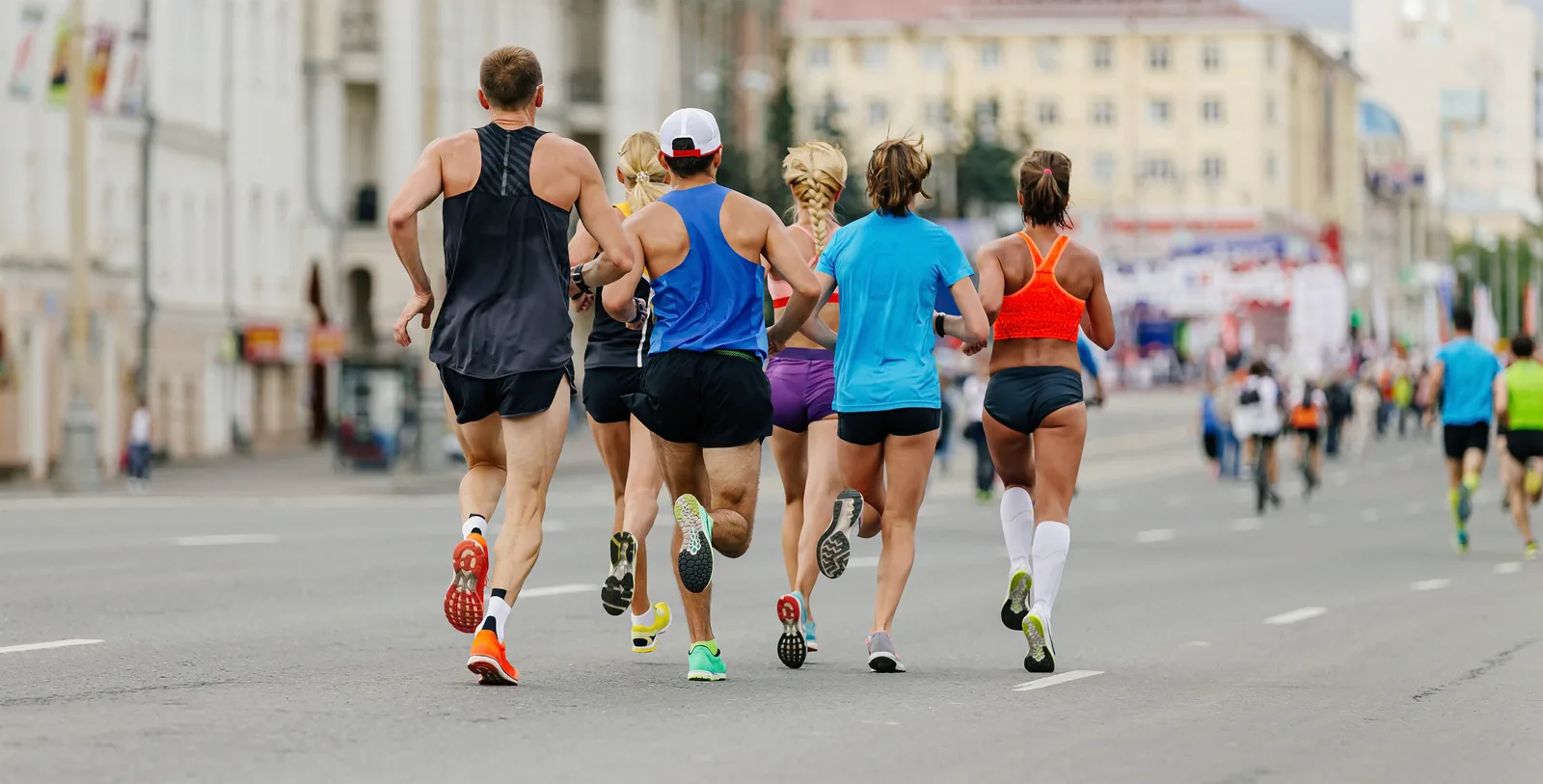
A pack of marathon runners holding even pace together on a city course

Banking Time Is a Myth: How to Pace a Marathon on Race Day

The deposit is linear. The withdrawal is not. Why going out fast never pays, what 78,912 Boston finishers did with their splits, and how to run the first 10K of your fall marathon.

A runner getting back to steady miles on a quiet coastal road

Missed a Week of Marathon Training? Here Is What You Actually Lost

A missed week five weeks out costs less fitness than you think. What the detraining research shows day by day, why the first run back feels awful, and how to come back without getting hurt.

A runner paused on a trail at sunrise, checking in before the day's run

Good Tired vs. Bad Tired: A Runner's Guide to Training Fatigue

A hard build is supposed to feel heavy. Here is how to tell the fatigue that makes you fitter from the fatigue that ends your fall race, the signals worth tracking, and what to do about each.

A runner checking a GPS watch during a summer long run

Fuel the Long Run, Finish Strong: A Marathoner's Guide to Long-Run Nutrition

Past two hours, your body runs low on its favorite fuel. When to take your first gel, how many carbs per hour, how to train your gut, and how to hydrate in the heat without hitting the wall.

A runner holding a strong, controlled pace on a long open road

Teach Your Long Runs Race Pace: A Guide to Marathon-Pace Segments

Easy miles build the engine. Miles at goal pace teach your body to hold it on tired legs. When to start race-pace segments, how much is enough, and how to keep them from wrecking recovery.

A runner striding fast and relaxed on a track at golden hour

Free Speed Hiding in Your Easy Runs: A Runner's Guide to Strides

Twenty seconds of fast, relaxed running a few times a week is the cheapest speed you will ever buy. What strides actually do, how to run them right, and why base season is stride season.

A runner logging steady summer miles on an open road with mountains behind

Your Fall Race Is Built Now: A Runner's Guide to Base Building

October is made in July. How much mileage to add each week, when to hold steady, and the down weeks that get you to your fall start line strong and healthy.

A runner holding a strong, controlled tempo effort on a track at sunset

The Tempo Sweet Spot: A Runner's Guide to Threshold Training

The tempo run is the workhorse of every half and marathon build. Here is what threshold training actually does, how to find your tempo pace, and how to structure the workout.

A runner logging easy aerobic miles on a trail at sunrise

Slow Down to Get Faster: A Runner's Guide to Easy Pace

Most runners run their easy days too hard. Here is what easy runs actually build, how to find your true easy pace, and why holding back is the engine behind every PR.

A runner checking the data on his GPS watch on a forest trail

The Run Impact Score & Fitness Trend Chart, Explained

Did that workout actually do anything? Here is how NXT RUN scores every run for Endurance, Strength, and Speed, and how the Fitness Trend Chart shows where your training is really heading.

More articles coming soon. Lace up.

Put the science to work

Build a personalized adaptive plan and let PACE turn every run into data you can actually use.

Build My Plan →